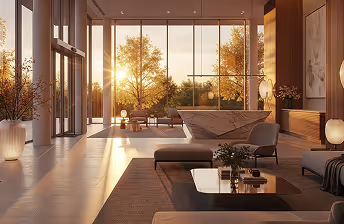
A brief that started with a refusal
The Ferreiras came to us with a site in Alphaville Salvador, a budget that was generous but not unlimited, and one sentence that shaped the next two years: they did not want a house that photographed well. They wanted one that worked at seven in the morning on a Tuesday.
That is a harder brief than it sounds. Photogenic is a solvable problem. Liveable at seven in the morning means understanding where the light lands, where the school bags go, and which door the dog uses. We spent the first six weeks doing very little drawing.
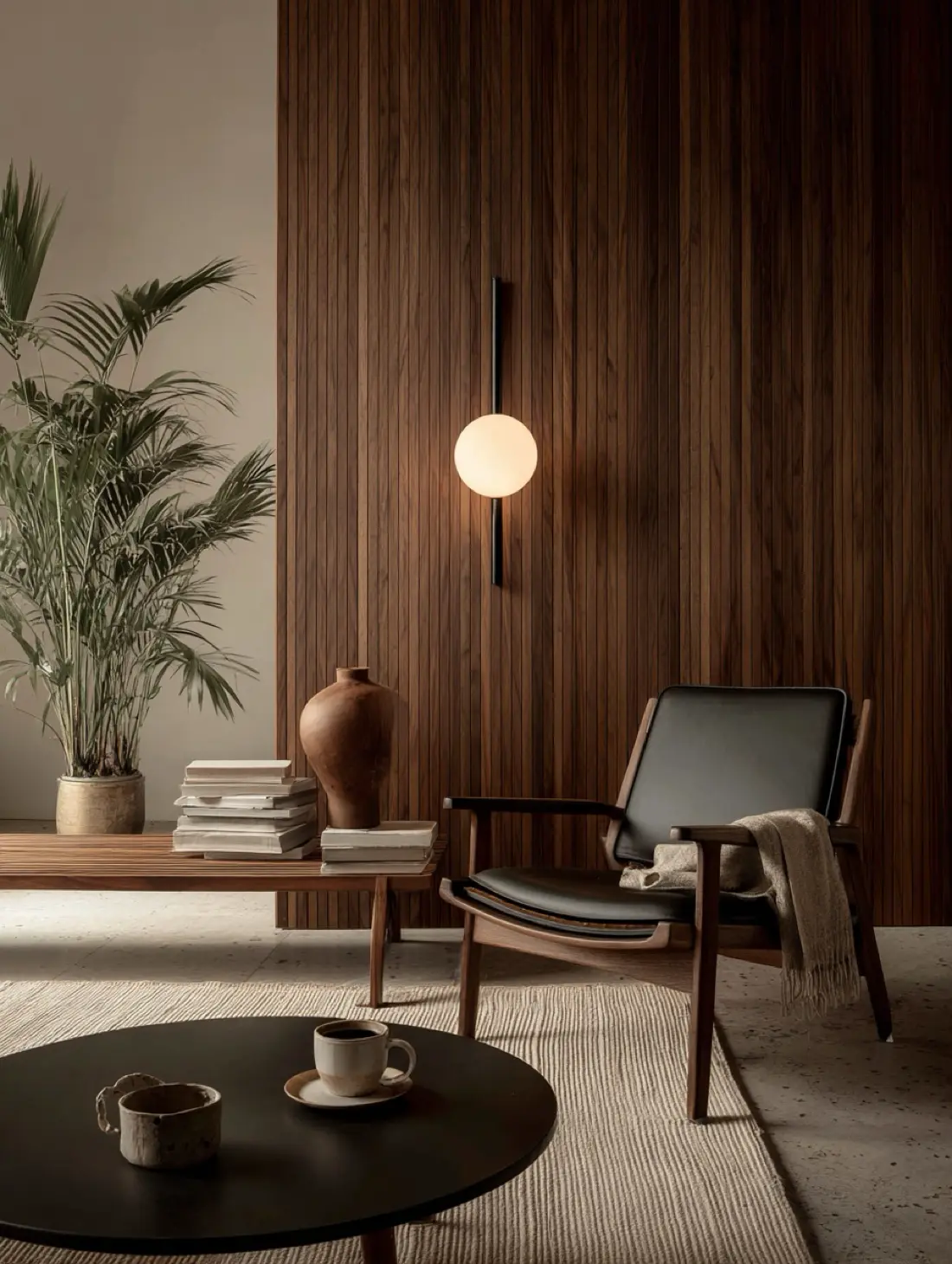
The staircase was the last thing to resolve and the first thing anyone notices. Our initial design was competent: a folded steel plate, open risers, a handrail that met code without drawing attention to itself. The fabricator quoted it, the schedule accommodated it, and Ana Ferreira looked at the sample and said she did not love it.
“You keep telling us this house will last forty years. I am going to walk up that thing twice a day for all of them. I would like to love it.”
She was right, and the observation cost eleven months. We redrew the stair four times, changed fabricators once, and rebuilt a full-scale mock-up of three treads in the workshop so she could climb them. The final version is heavier than our first instinct, in a warmer steel, with a timber handrail that the joiner shaped by hand.
What the delay actually bought
Eleven months is not a number we would put in a proposal. It happened because the client was willing to hold a project open for something that no drawing set can specify and no schedule can protect: the feeling of a thing under your hand.
The rest of the house was finished and waiting. That is the uncomfortable part of the story, and we have stopped apologising for it. A studio that cannot absorb a client caring too much is a studio optimising for the wrong thing.