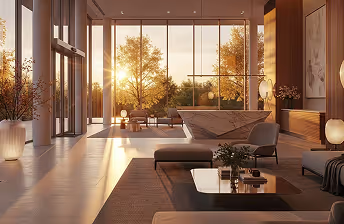
The house they asked for
Four bedrooms, a formal dining room, and a home office at the front where the deliveries arrive. A conventional programme for a couple who described themselves, twice, as conventional people.
We drew it. It worked. It was also, by the end of concept design, obviously not the house either of them talked about when they got animated.
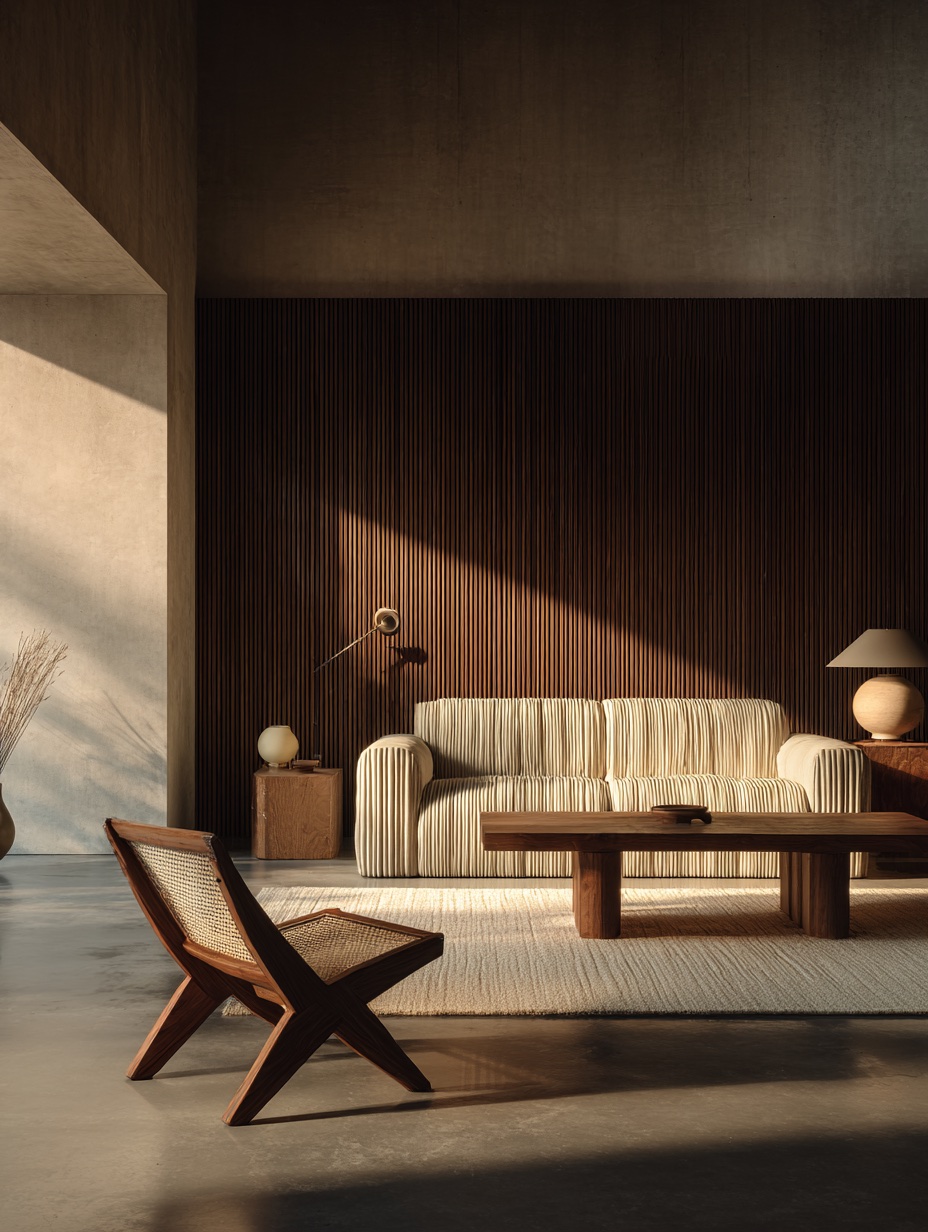
The first change
The formal dining room went first. We asked how many times in the last year they had eaten in the one they currently had. The answer was three, and two of those were Christmas. It became part of a single long room that runs the depth of the plan.
The second change
The office moved six months later, after a site visit in February when we all stood in the empty frame and one of them said the front of the house was too noisy to think in. It went to the rear, over the garden, which cost a rooflight and gained the best room in the building.
“We kept apologising for changing our minds. You kept saying it was cheaper now than in ten years of living in the wrong room.”
Both changes happened before a single foundation was poured. That is the entire argument for a design stage that resists being rushed: the brief is the cheapest thing in the project to change, and the only one that gets more expensive every week you leave it alone.